

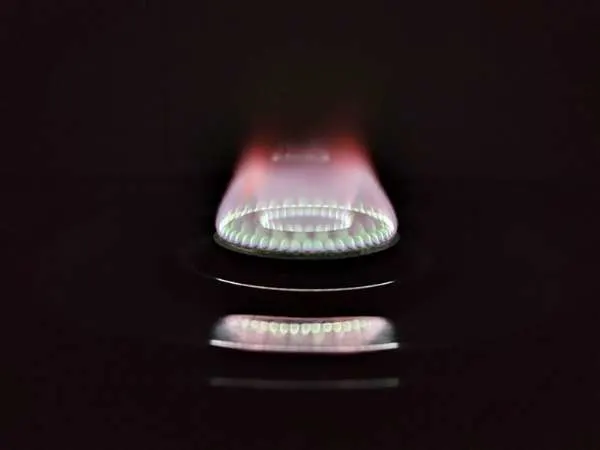
For decades, rural households in India relied heavily on traditional biomass fuels such as firewood, dung cakes, and crop residues for cooking. While these sources were inexpensive and readily available, their hidden costs were severe, ranging from respiratory illnesses and indoor air pollution to deforestation and environmental degradation. Recognising the urgency to shift from smoke-filled kitchens to cleaner, safer alternatives, the government launched the Pradhan Mantri Ujjwala Yojana (PMUY).
In less than a decade, Ujjwala has transformed the lives of millions of households, bridging the gap between health, sustainability, and women’s empowerment. Beyond its social dimension, the scheme is increasingly being recognised for its profound environmental benefits.
The Hidden Toll of Biomass Cooking
Before the introduction of Ujjwala, biomass-based cooking contributed to one of India’s most pressing health and environmental challenges. Indoor air pollution from burning firewood and other traditional fuels was linked to severe health conditions such as asthma, chronic bronchitis, and cardiovascular diseases, especially among women and children who spent the most time in kitchens.
From an environmental perspective, biomass usage accelerated deforestation, contributed to carbon emissions, and strained India’s fragile ecosystems. In rural areas, women often spend hours collecting fuelwood, time that could have been invested in education, livelihoods, or childcare.
Ujjwala’s Environmental Breakthrough
Launched in 2016, Ujjwala aimed to provide LPG (liquefied petroleum gas) connections to women from below-poverty-line households. By making clean cooking fuel accessible and affordable, the scheme significantly reduced reliance on polluting traditional fuels.
The environmental benefits of this transition have been multi-dimensional:
- Reduction in Carbon Emissions: A switch to LPG has helped cut down on black carbon and greenhouse gas emissions, aligning with India’s climate commitments.
- Curbing Deforestation: As rural communities move away from firewood, pressure on forests has decreased, allowing natural ecosystems to regenerate.
- Cleaner Indoor Air: Replacing smoky stoves with LPG has substantially lowered household pollution levels, creating healthier living conditions.
- Energy Efficiency: LPG burns more efficiently compared to biomass, ensuring less wastage and more reliable energy use.
The Midway Impact: A Sustainability Perspective
By 2025, the Ujjwala scheme will have expanded its reach to over 90 million households, covering the majority of India’s rural poor. The midterm impact is evident not only in improved health outcomes but also in a measurable decline in environmental degradation.
Studies indicate that reduced dependence on biomass fuels has contributed to lowering India’s overall particulate matter emissions. Moreover, the scheme complements global sustainability goals, including the United Nations’ Sustainable Development Goals (SDGs) related to health, energy access, gender equality, and climate action.
At the heart of this success lies a clear synergy between social upliftment and environmental sustainability, a model that showcases how targeted welfare programs can also double as climate strategies.
Anchoring Ujjwala in India’s Green Growth Story
The shift from traditional fuels to LPG under the PM Ujjwala Yojana has positioned India as a case study in balancing welfare with environmental responsibility. While the scheme initially focused on improving household health and reducing drudgery for women, its ripple effects on sustainability are undeniable.
At a broader policy level, Ujjwala complements India’s clean energy agenda, working alongside initiatives that promote renewable power, electric mobility, and energy efficiency. By addressing household-level emissions, Ujjwala also contributes to India’s pledge of achieving net-zero carbon emissions by 2070.
Looking Ahead: Strengthening Ujjwala’s Green Footprint
While the achievements of Ujjwala are substantial, its long-term sustainability requires continuous refinement. Some challenges persist, such as the affordability of LPG refills for low-income households and ensuring behavioural change in fuel usage. Strengthening awareness campaigns, offering targeted subsidies, and enhancing last-mile distribution will be crucial for consolidating the scheme’s environmental and social gains.
Future reforms could also integrate Ujjwala with renewable energy solutions, such as biogas and solar-powered cooking technologies, thereby broadening India’s clean energy portfolio. In doing so, Ujjwala can evolve from being a transitional program to a long-term pillar of India’s green growth model.
Towards a Smoke-Free and Sustainable Future
From reducing indoor pollution to curbing deforestation, Ujjwala’s environmental impact has been nothing short of transformative. More importantly, it illustrates how social welfare policies can deliver climate co-benefits, making them integral to a nation’s sustainable development narrative.
As India continues to pursue inclusive growth and environmental stewardship, Ujjwala stands as a shining example of policy innovation, proving that sustainability begins at home, quite literally, in the kitchens of millions of households.