

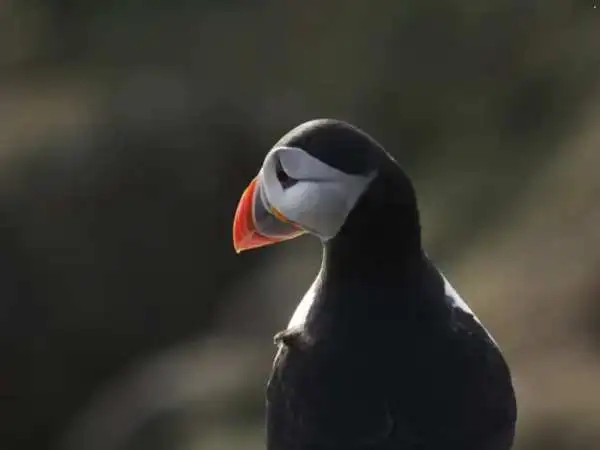
The auk great story is not dramatic in the way movies like to tell extinction. No meteor. No sudden freeze. No single event. The Great Auk disappeared slowly, quietly, and very predictably. Humans met an animal that could not fly, could not flee, and could not adapt fast enough. The outcome followed naturally.
People now ask questions that arrive far too late. Why did the great auk go extinct. Is the great auk still alive. Who killed the last Great Auk. Each question reflects regret mixed with curiosity. Understanding this bird means understanding how extinction actually happens.
This blog walks through the Great Auk’s life, size, diet, danger myths, comparison with penguins, scientific identity, and the final steps that erased it from the Earth.
What Was the Great Auk
The Great Auk was a large, flightless seabird that lived in the North Atlantic. It spent most of its life at sea and returned to land only to breed. Its body evolved for swimming, not flying. Wings became short and rigid. Feet turned powerful. Water became home.
This bird thrived for thousands of years. Survival failed only after humans arrived in force.
Great Auk Scientific Name
The great auk scientific name was Pinguinus impennis. That name matters more than it seems. The word “penguin” originally described this bird, not the animals now living in the southern oceans.
Modern penguins inherited the name after the Great Auk vanished. Language outlived the animal.
also read : – GYAT Meaning, Where the Slang Came From, and Why People React So Strongly to It Online
Great Auk Size and Physical Build
The Great Auk size surprised early sailors. Adults stood about 30 to 33 inches tall. Weight reached around 5 kilograms. That made it one of the largest seabirds in the North Atlantic.
Its body looked upright on land. In water, it became streamlined and fast. Thick bones helped with deep dives. Short wings acted like flippers.
Everything about the Great Auk reflected marine life.
Could the Great Auk Fly
No. Flight disappeared from its evolution long before humans arrived. Flying offered no advantage in cold, fish-rich seas. Swimming efficiency mattered more.
That single trait sealed its fate later.
Great Auk Habitat and Range
The Great Auk lived across the North Atlantic. Breeding colonies appeared on isolated rocky islands. These sites had steep cliffs and limited access. That isolation protected the birds for centuries.
Once humans reached those islands regularly, safety vanished.
Great Auk Diet
The great auk diet consisted mainly of fish. Small schooling fish formed the core. The bird hunted underwater using powerful kicks and precise movements.
It did not scavenge. It did not switch food easily. That specialization worked well in stable ecosystems.
Flexibility would have helped later.
also read : – What Language Do They Speak in Brazil? A Simple Guide to Brazil’s Languages
Was the Great Auk Dangerous
People sometimes ask, Is the Great Auk dangerous. The answer stays simple. No.
The Great Auk posed no threat to humans. It lacked sharp talons. It lacked aggressive behavior. Defense involved biting only when handled.
Calling it dangerous reflects fear, not fact.
Why Humans Found the Great Auk Easy to Kill
The Great Auk showed no fear of humans at first. That trust came from isolation. Predators on land rarely existed in its breeding zones.
Hunters could walk straight into colonies. Birds did not scatter. They stood confused. That behavior turned them into easy targets.
Fear never evolved fast enough.
Why Did the Great Auk Go Extinct
The question why did the great auk go extinct has no single answer. Several pressures stacked together.
Humans killed Great Auks for:
- Meat
- Feathers
- Oil
- Bait
Feathers became valuable in European markets. Eggs became collectibles. Specimens became trophies.
No regulation existed. No restraint followed.
Egg Collecting and Its Impact
Great Auks laid only one egg per breeding season. That egg was large and patterned. Collectors prized it.
Removing eggs removed future generations. Population recovery slowed fast.
One egg per year offered no margin for error.
Industrial Hunting and Overharvesting
As ships improved, access increased. Remote islands lost isolation. Crews harvested birds by the thousands.
Birds were herded into pens and killed in bulk. The process repeated year after year.
Sustainability never entered the conversation.
Habitat Loss and Disturbance
Human presence altered breeding sites. Fires, camps, and construction disrupted colonies. Birds abandoned traditional locations.
Finding new safe sites proved impossible. Options ran out.
also read : – How collectors find rare manga figures?
Who Killed the Last Great Auk
The question who killed the last Great Auk carries weight.
The last confirmed pair died in 1844 on Eldey Island, near Iceland. Fishermen killed them for specimens. The egg was smashed during the struggle.
That moment marked the species’ end.
No ceremony followed. No warning signs appeared.
Why the Last Pair Was Targeted
Collectors believed the Great Auk already vanished. That belief increased value. Ironically, rarity sealed extinction.
The final birds died for preservation.
Is the Great Auk Still Alive
No. Is the great auk still alive receives a firm answer.
The Great Auk is extinct. No credible sightings exist. No breeding colonies remain. Fossils and museum specimens are all that remain.
Hope lingers only in imagination.
Why Some People Still Believe It Survives
Rumors appear now and then. Large seabirds get misidentified. Stories spread online.
Reality stays unchanged. Extinction holds firm.
Great Auk vs Penguin
The comparison great auk vs penguin appears constantly. The resemblance feels obvious.
Both share:
- Upright posture
- Black and white coloring
- Flightlessness
- Aquatic skill
These similarities evolved independently. This process is called convergent evolution.
They are not close relatives.
Key Differences Between Great Auk and Penguin
Great Auks lived in the Northern Hemisphere. Penguins live in the Southern Hemisphere. Their ancestors diverged long before modern forms appeared.
Penguins survived partly due to isolation from early human exploitation. Geography mattered.
Why Penguins Survived and Great Auks Did Not
Penguins benefited from distance. Humans reached them later. Industrial hunting arrived slower.
Great Auks lived near Europe and North America. Contact came early and often.
Timing decided survival.
also read : – Definition of FEIN: Meaning, Uses, and More
How Long the Great Auk Survived Humans
Humans hunted Great Auks for centuries. Extinction took time. Slow decline often hides danger.
By the time alarm spread, numbers were already too low.
This pattern repeats across history.
Great Auk Behavior and Social Life
Great Auks formed dense breeding colonies. They relied on group safety. This strategy failed against organized hunting.
Social living became a weakness.
Could the Great Auk Have Been Saved
Yes. Simple limits could have worked. Protecting breeding sites could have helped. Egg collection bans could have slowed decline.
None happened soon enough.
Lessons From the Great Auk Extinction
The Great Auk teaches uncomfortable lessons.
Extinction does not require catastrophe. It requires pressure applied repeatedly without restraint.
Silence follows.
Why the Great Auk Matters Today
The Great Auk remains a warning. It shows how quickly abundance turns into absence. It shows how trust becomes vulnerability.
Modern conservation efforts exist because of stories like this.
Museums and Great Auk Remains
Only a few dozen preserved Great Auk specimens exist worldwide. Eggs sit behind glass. Skins sit in drawers.
Each piece feels heavy with absence.
Cultural Impact of the Great Auk
The bird inspired art, writing, and later regret. It became a symbol of loss rather than dominance.
Symbols arrive after damage.
Scientific Study After Extinction
Scientists study Great Auk bones to understand diet, movement, and genetics. Knowledge grows even after life ends.
Science preserves memory, not revival.
also read : – Pirate Ship Names: Get The Best Pirate Ship Name Ideas Here!
Why De-Extinction Will Not Bring Back the Great Auk
Some talk about genetic revival. That remains theoretical. Even if DNA returned, habitat and behavior would not.
Extinction changes ecosystems permanently.
The Role of Humans in Modern Extinctions
The Great Auk was not the first human-caused extinction. It was not the last.
Its story repeats with new species under new names.
Why Awareness Still Matters
Awareness does not revive extinct animals. It protects living ones.
The Great Auk speaks through absence.
FAQs
Why did the great auk go extinct
Overhunting, egg collection, and habitat disruption caused extinction.
Who killed the last Great Auk
Fishermen killed the last confirmed pair in 1844.
Is the Great Auk still alive
No, the species is fully extinct.
Is the Great Auk dangerous
No, it posed no danger to humans.
Great auk vs penguin
They look similar but evolved separately on opposite hemispheres.
Great auk scientific name
Pinguinus impennis.
Final Words
The auk great story does not end with mystery. It ends with responsibility. The Great Auk trusted a world that changed too fast. Humans took what seemed endless and learned limits only after silence arrived. Extinction did not roar. It faded. That quiet ending still echoes, asking the same question every time another species declines. Did we learn anything this time.